10 Best Things to Do in Istanbul for First-Time Visitors
This post contains affiliate links. If you click and make a purchase, I may earn a small commission at no extra cost to you. See my Privacy Policy for more information.
If you’re looking for the best things to do in Istanbul as a first-time visitor, you’re in the right place.
Istanbul is one of the world’s most visited cities, and for good reason. It’s the only city in the world that spans two continents, with Europe and Asia meeting across the Bosphorus.
That unique position has shaped its history, culture, architecture, and food.
With iconic landmarks like the Hagia Sophia and the Blue Mosque, alongside trendy cafés, rooftop bars, and colourful neighbourhoods, Istanbul has an overwhelming amount to offer.
You could easily spend weeks exploring the city and not see everything.
So, to help you narrow it down, I’ve put together this guide which covers the things I enjoyed most when I visited Istanbul.
It includes the historical sites that I think are worth visiting as well as the must-have experiences in Istanbul both modern and traditional.
Top Things to Do in Istanbul
1. Enjoy a Traditional Turkish Breakfast
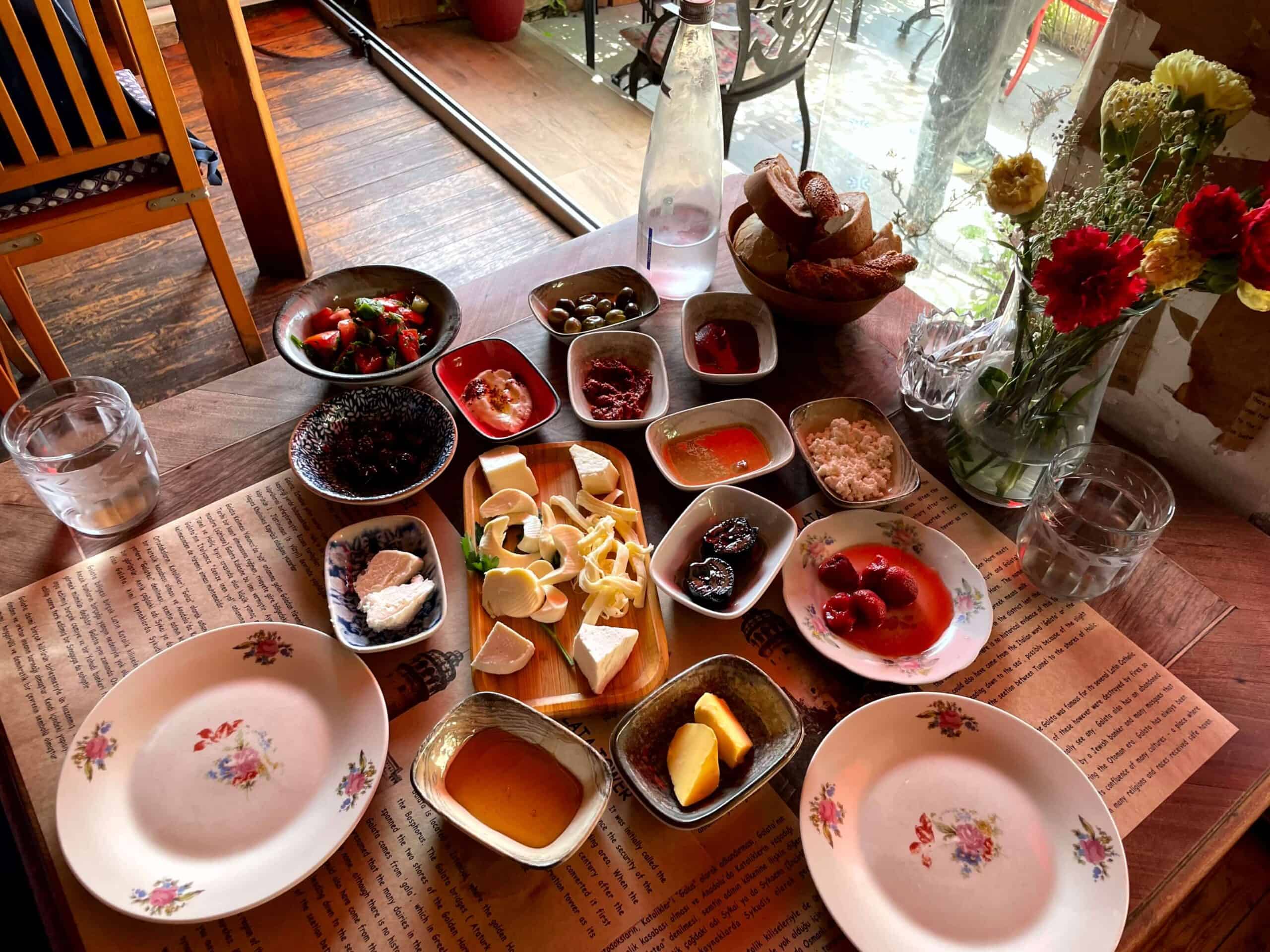
One thing you absolutely must do in Istanbul is enjoy a proper Turkish breakfast spread called serpme kahvaltı.
A traditional Turkish breakfast is an elaborate spread of small dishes shared among a group and eaten slowly over a few hours. The ritual began in Ottoman times and is now a popular weekend social activity.
It almost always includes fresh bread and simit (sesame-crusted ring bread), a variety of spreads and cheeses as well as sliced cucumber, tomatoes, and olives.
There’s also usually an egg dish such as menemen (scrambled eggs cooked with tomatoes and capsicum), savoury pastries like börek, and of course, plenty of Turkish tea.
💡 Tip: Leave plenty time to enjoy your breakfast slowly rather than rushing to fit it in before sightseeing.
Every hotel I stayed at in Turkey served some version of a Turkish breakfast spread, but the best one I had was at Café Privato in Istanbul.
The Traditional Village Breakfast is their signature dish, and it includes all the typical dishes as well as homemade spreads and Turkish pancakes.
It also has a really nice cosy atmosphere with eclectic furniture and handwritten notes and drawings on the walls.
2. Try Some Turkish Street Food
Istanbul is known for having great street food that’s popular with both locals and tourists.
There are so many different foods to try but some of my favourites are pide (boat-shaped bread baked with savoury toppings and melted cheese) and baklava (pastry layered with nuts and syrup).
The most popular street food in Istanbul is probably simit which you can buy from bakeries and little red street carts throughout the city. Simit is best when it’s fresh in the morning.
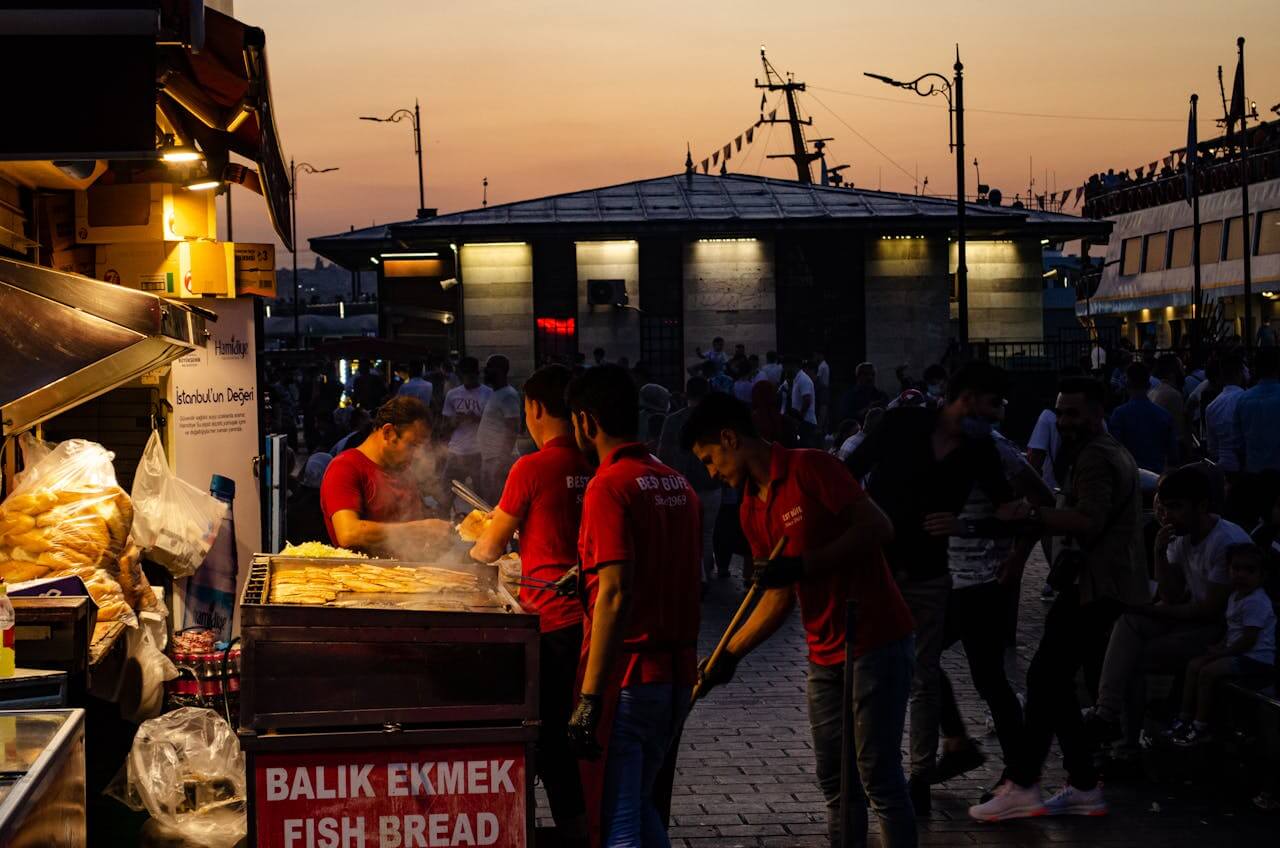
Balık ekmek is another iconic street food that originated in Istanbul. These grilled fish sandwiches are cooked and sold straight from fishing boats around Galata Bridge.
While it’s easy to find street food in Istanbul, the best way to try it is with a food tour. Local guides help you avoid tourist traps and introduce you to dishes you wouldn’t have tried otherwise.
I recommend the Taste of Two Continents Food Tour which starts with breakfast and a visit to the Spice Bazaar before taking you across the Bosphorus to Kadıköy to visit local restaurants and eateries.
🥙 Check Prices and Book Your Two Continents Food Tour Here!
3. See Galata Tower from the Outside
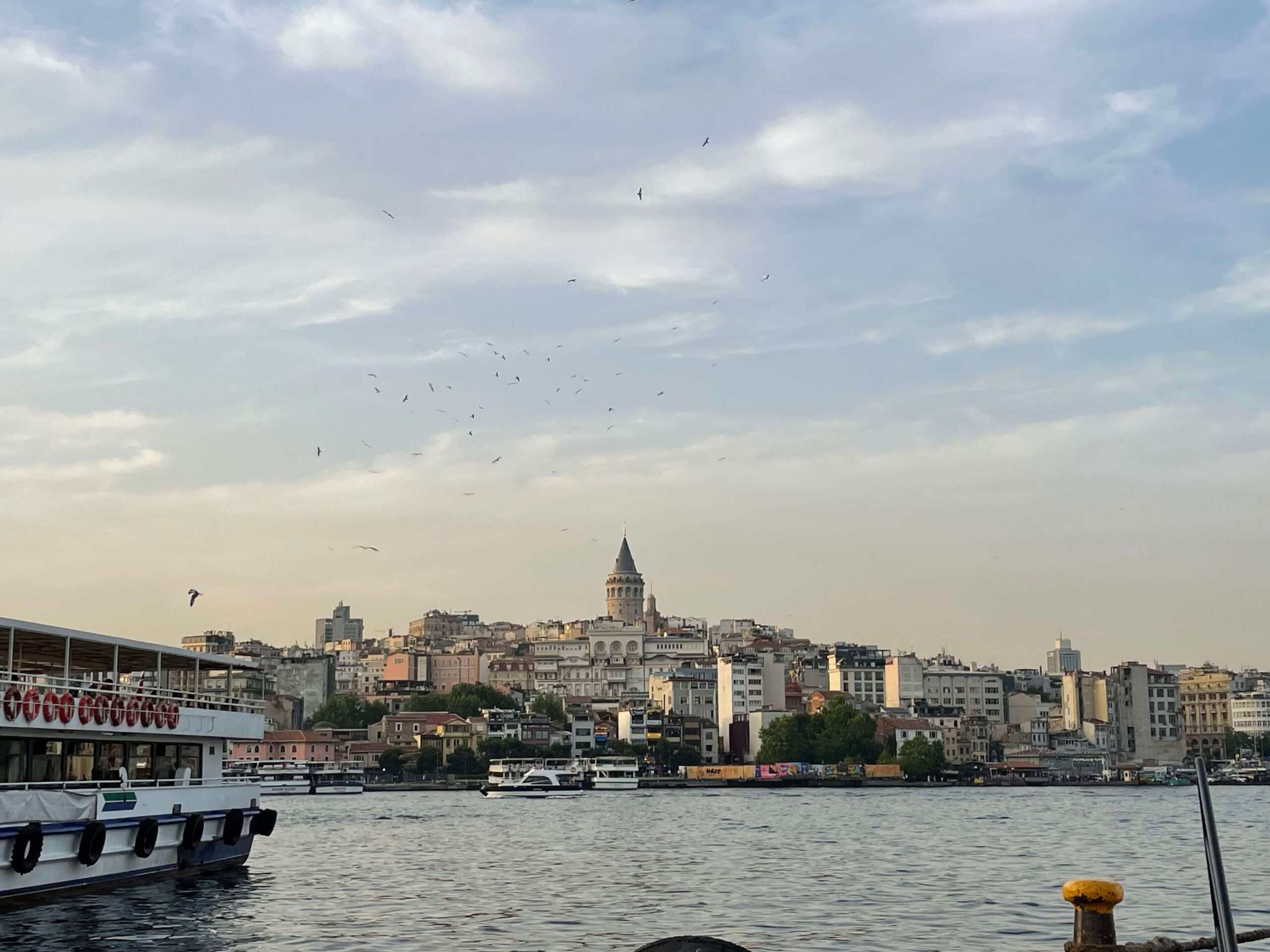
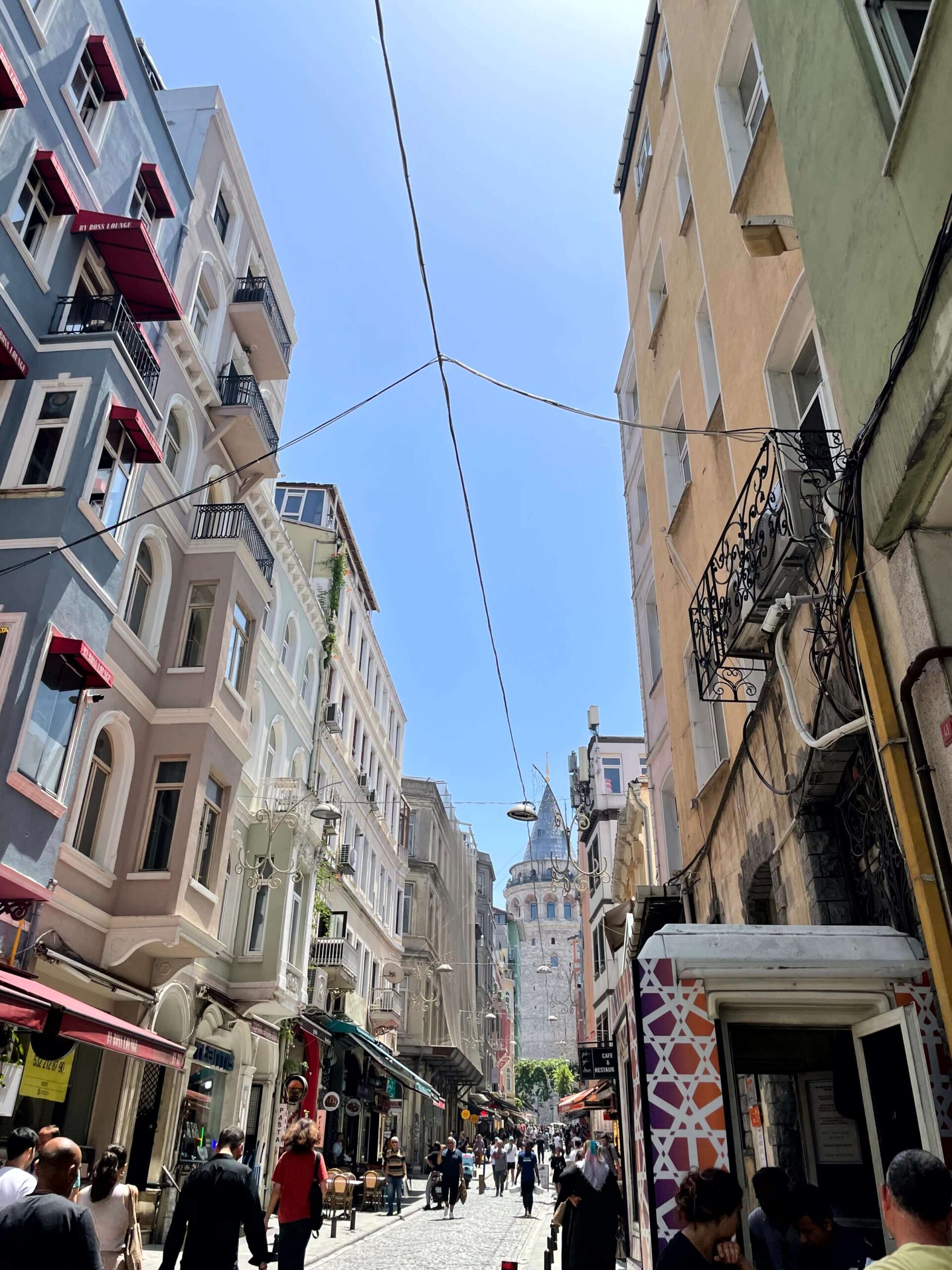
Galata Tower is one of the most recognisable buildings in Istanbul.
It was built in the 14th century as a military watchtower and sits at the highest point in the Galata neighbourhood with panoramic views of the city.
Seeing Istanbul from the open-air terrace at the top is often said to be one of the best things to do in Istanbul, but I actually think Galata Tower is better from the outside.
It kind of reminds me of the Eiffel Tower because it’s an iconic landmark that you should definitely see but going inside might be a bit underwhelming.
The view from the top was beautiful, but I don’t think it’s worth the €30 entry fee especially since you can get similar views from rooftop restaurants nearby.
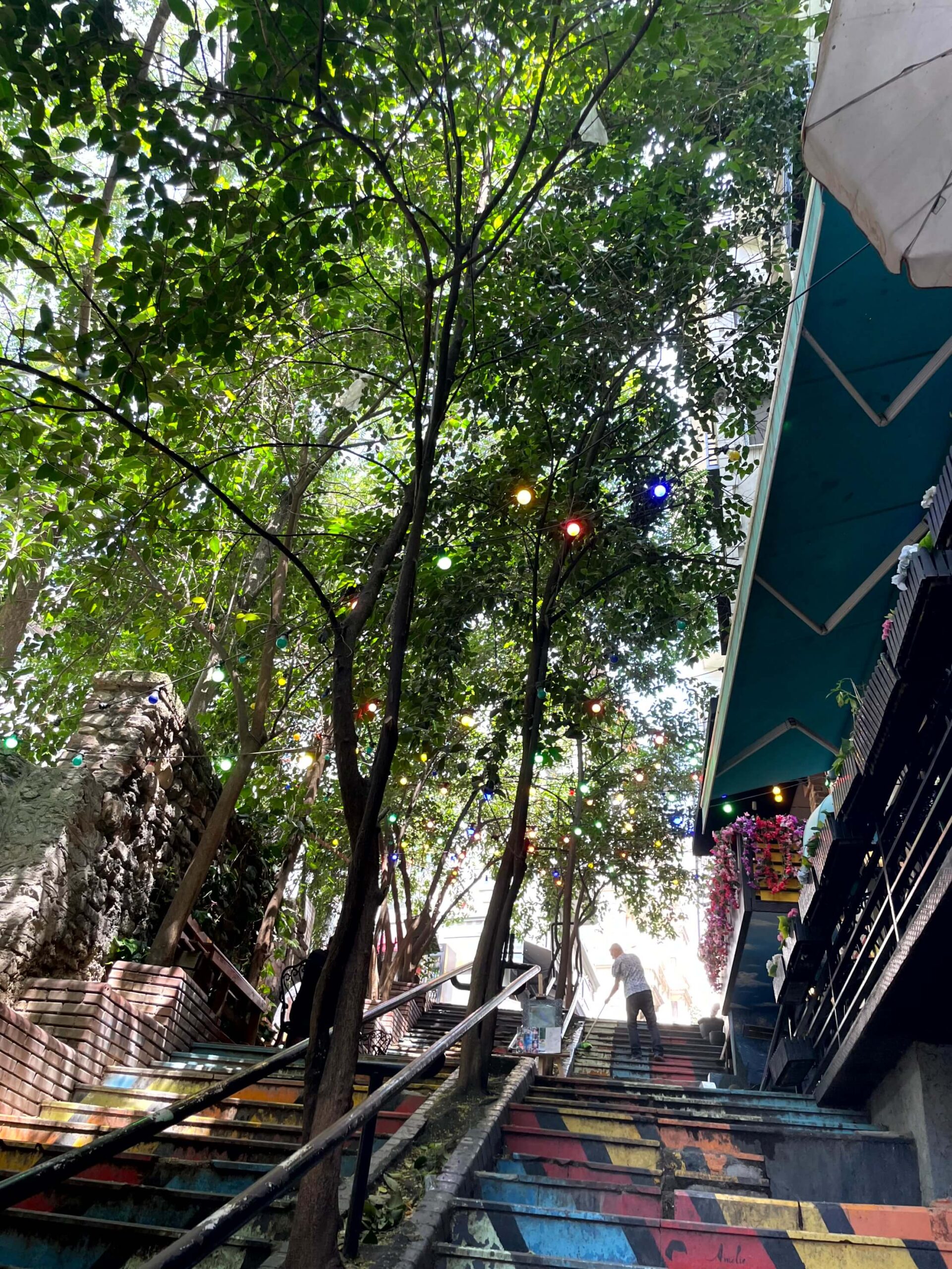
You can walk around the outside of Galata Tower for free and the narrow cobblestone streets surrounding the tower are full of interesting shops and cafés.
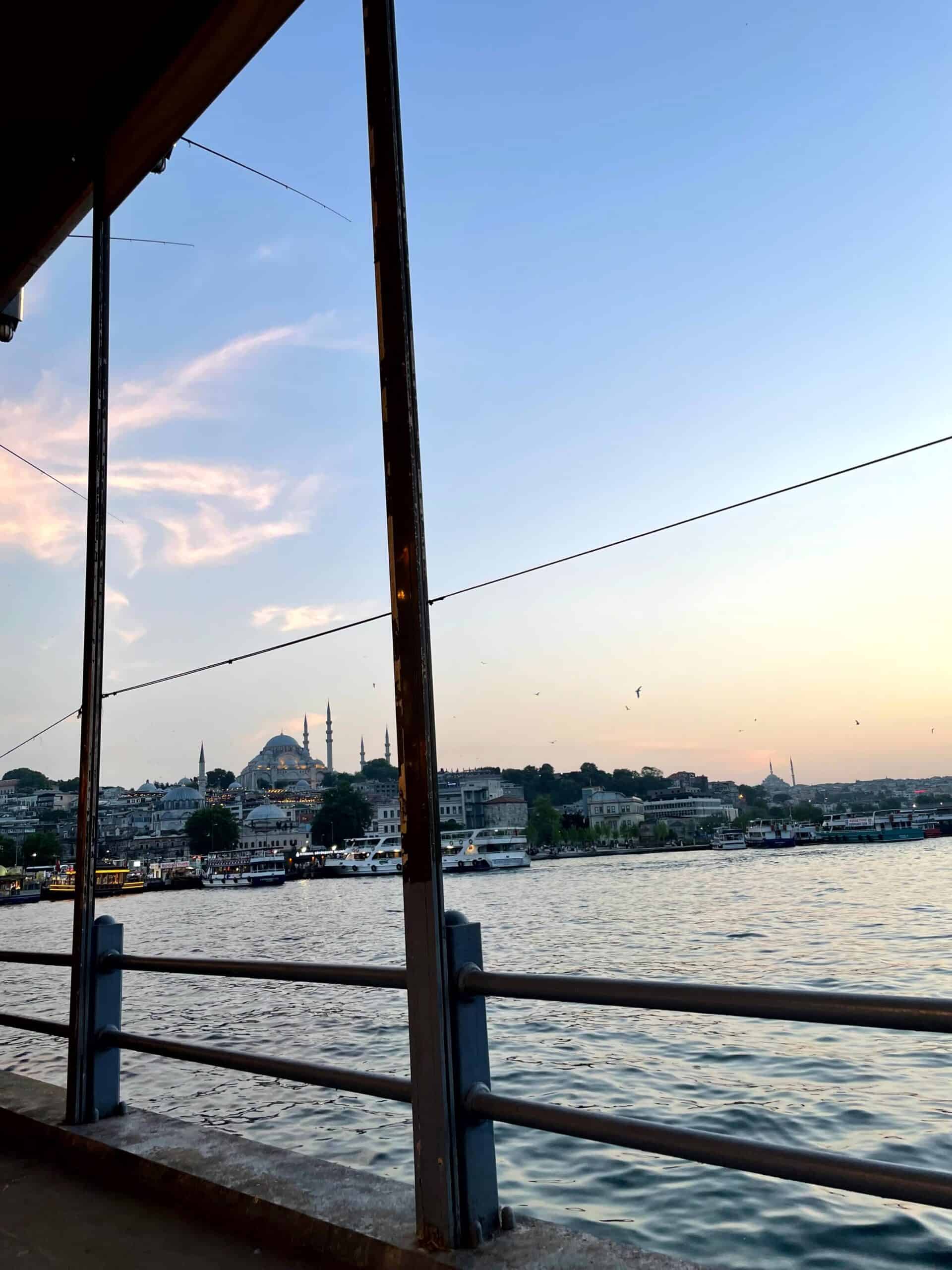
One of the best views of Galata tower is from Eminönü, next to Galata Bridge, where you can look directly across the water and see the tower.
4. Watch the Sunset over the Golden Horn
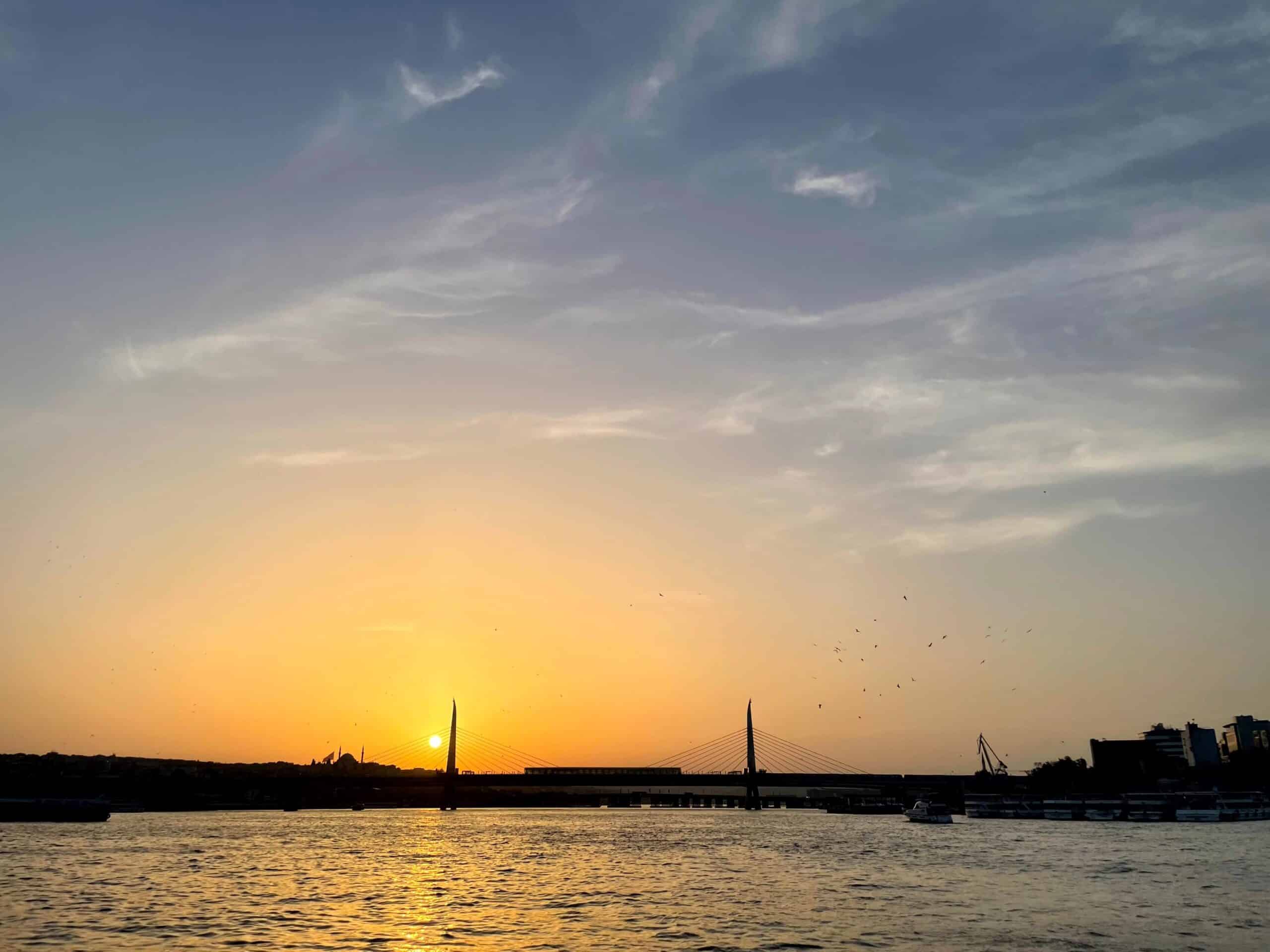
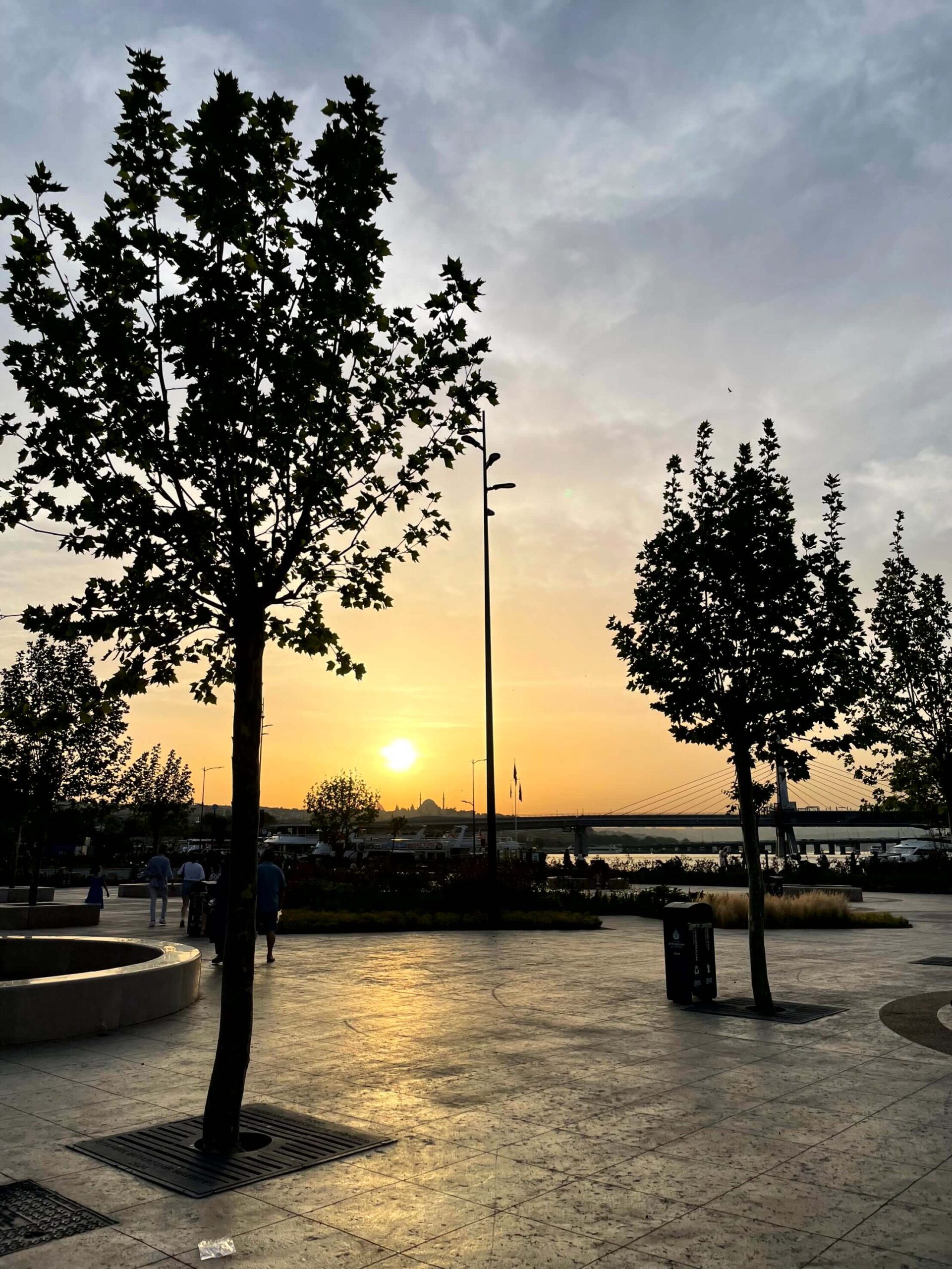
One of my favourite things to do in Istanbul is watch the sunset over the Golden Horn, the waterway that divides the European side of Istanbul.
The best place to see the sunset is from Galata Bridge which connects Eminönü to the south with Karaköy to the north.
There’s a walkway on the upper deck of the bridge and the lower deck is lined with restaurants sitting right at water level. The ones on the western side have a direct view of the sunset.
The restaurants are quite touristy, and the food was just okay, but the view was absolutely worth it. You can see the sun setting over the water and the silhouettes of Sultanahmet’s minarets and domes on the skyline.
💡 Tip: Arrive about an hour before sunset so you can get a table outside for the best view.
If you don’t want to have dinner on the bridge, the paved walkway along the Eminönü waterfront is a great place for an evening walk.
You can see Galata Tower across the water and get a fish sandwich from one of the boats to eat as you walk.
5. Walk Through the Basilica Cistern
Walking through the Basilica Cistern is one of the most unique things to do in Istanbul. I really enjoyed it because I hadn’t been anywhere like it before.
The Basilica Cistern is the largest underground cistern in Istanbul, built in the 6th century to store water for the Great Palace of Constantinople.
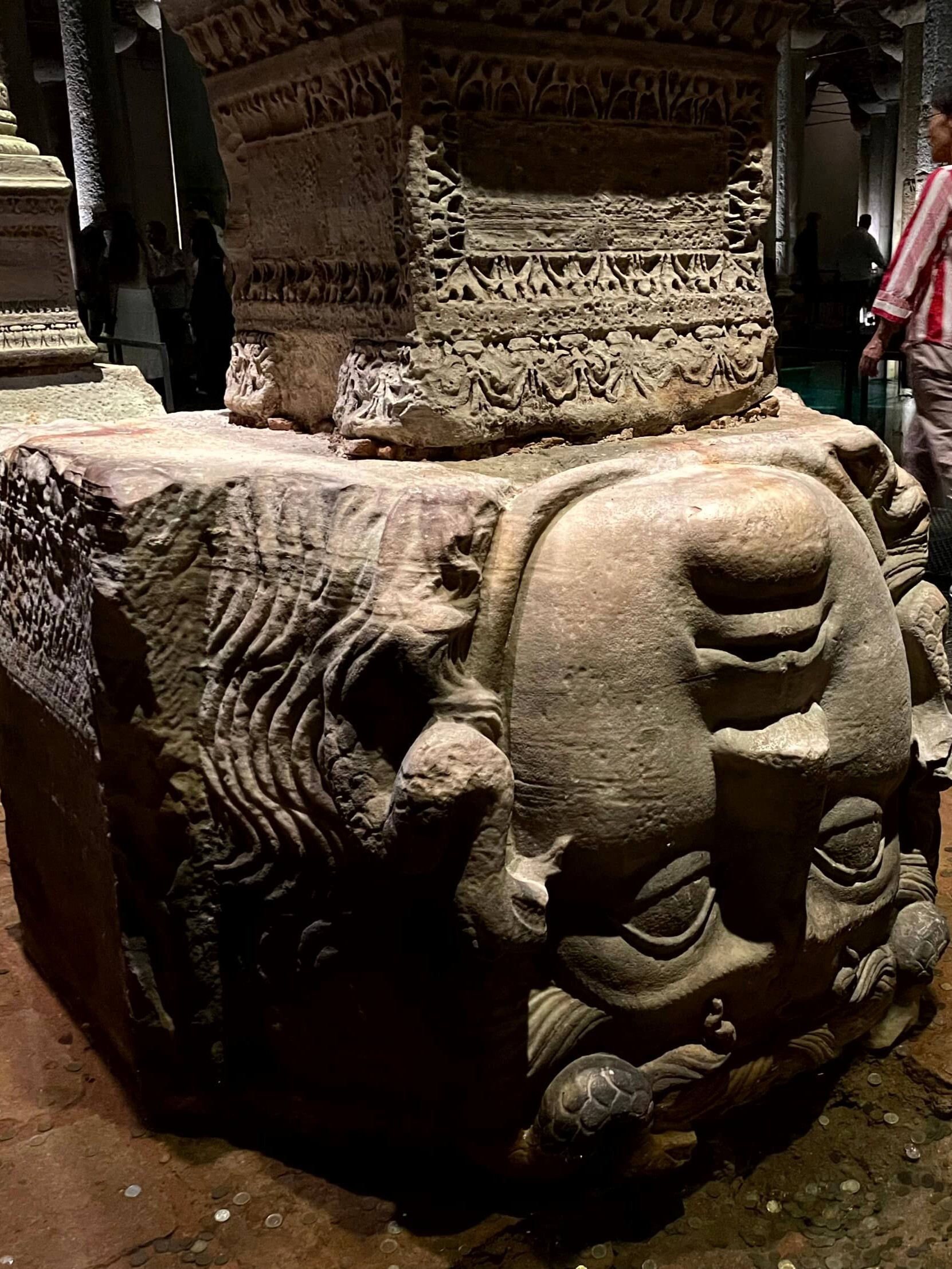
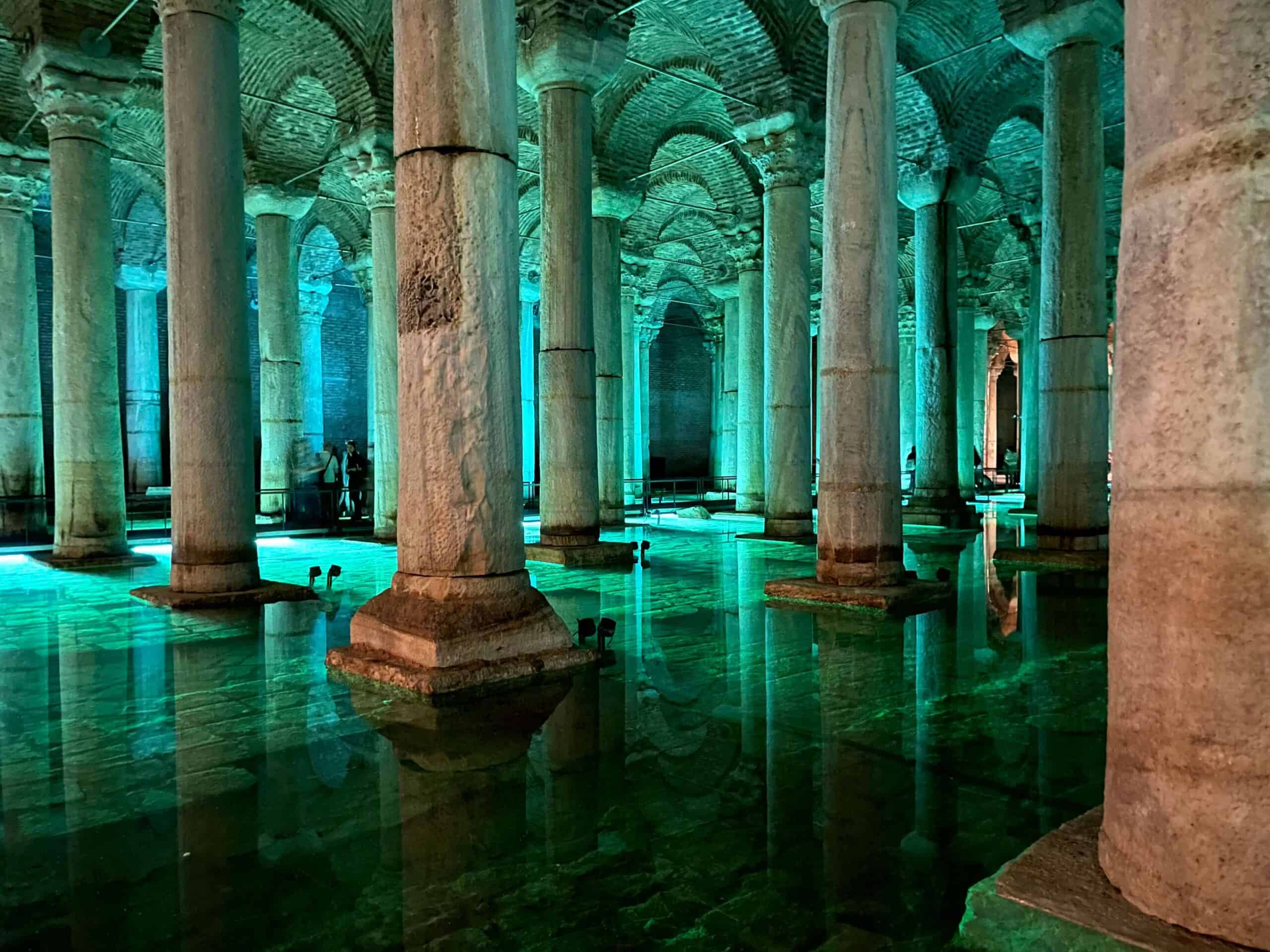
The ceiling is supported by hundreds of marble columns that were repurposed from ancient Roman buildings across the Byzantine Empire. Many have carved patterns and the most famous are the two Medusa head column bases.
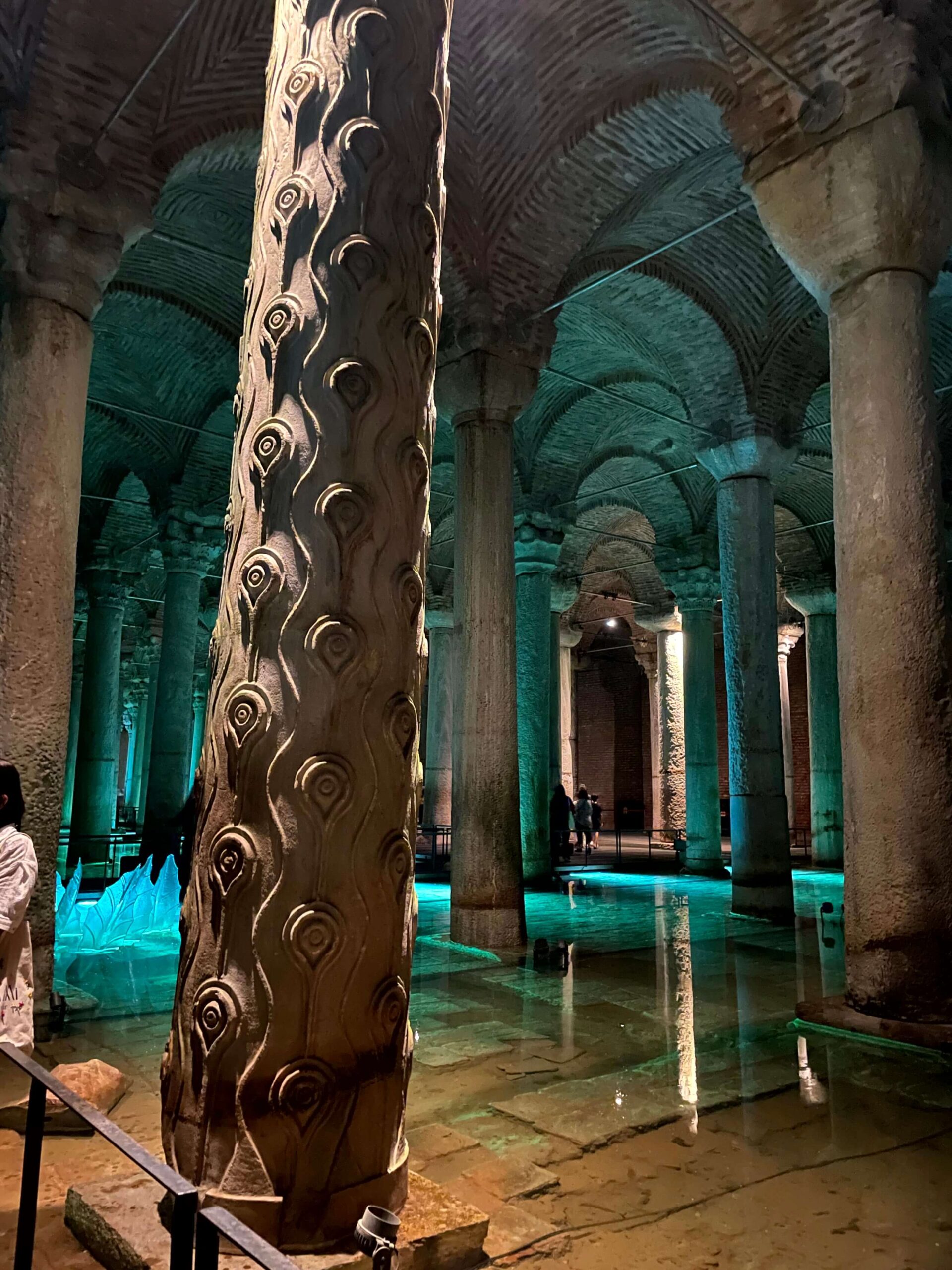
The Basilica Cistern is now open to the public and filled with only a shallow layer of water with raised walkways and sculptures placed between the columns.
The lighting changes colour every few minutes and reflects off the water and the columns making it an unexpectedly beautiful place to visit.
The Basilica Cistern is located in Sultanahmet and is open every day. Tickets are about €40 during the day and €53 at night.
I went during the day, but since it’s underground, it’s always dark and the coloured lighting is on during the day. I don’t think it would be worth paying extra to go at night.
6. Visit Hagia Sophia Grand Mosque
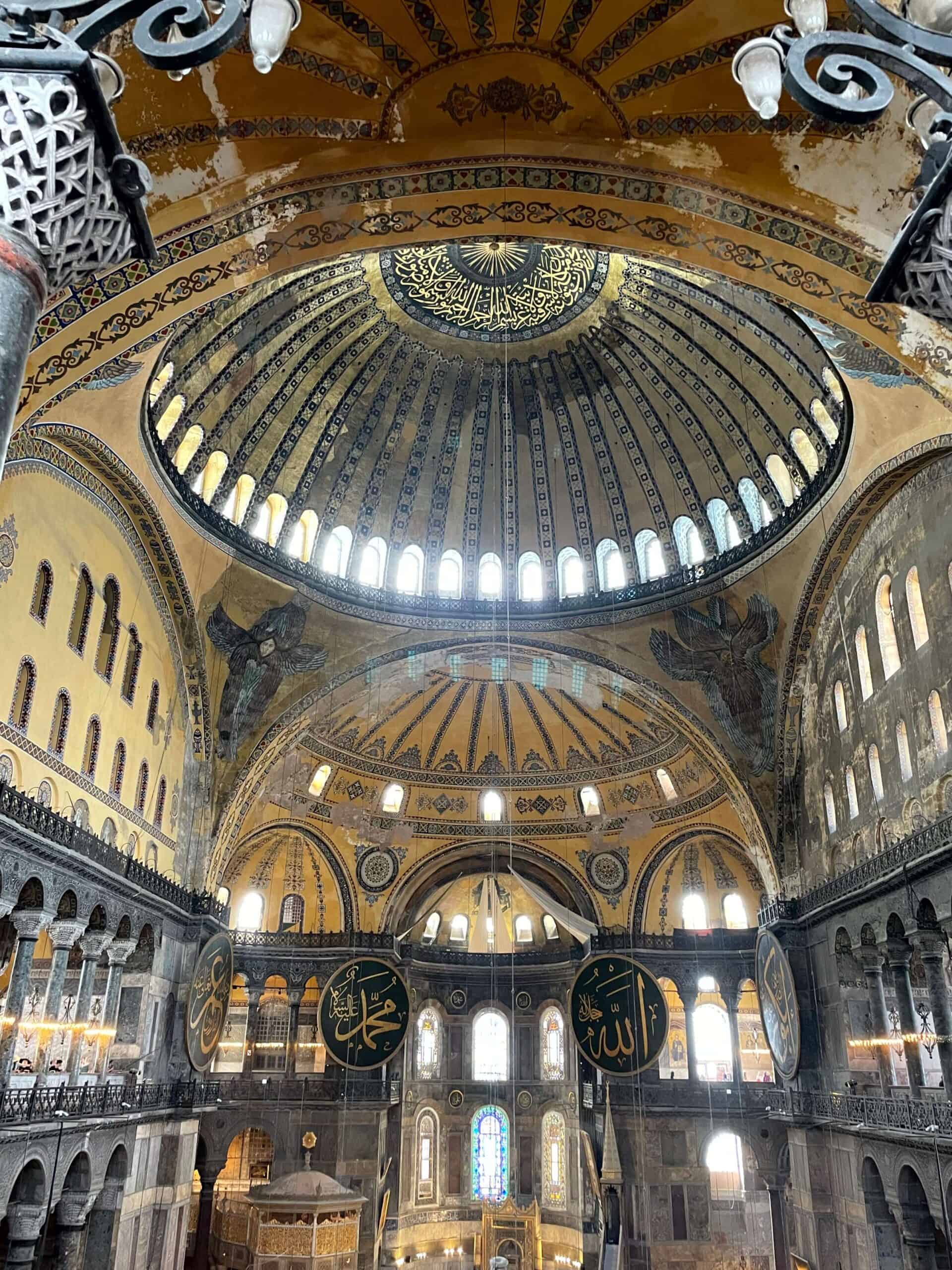
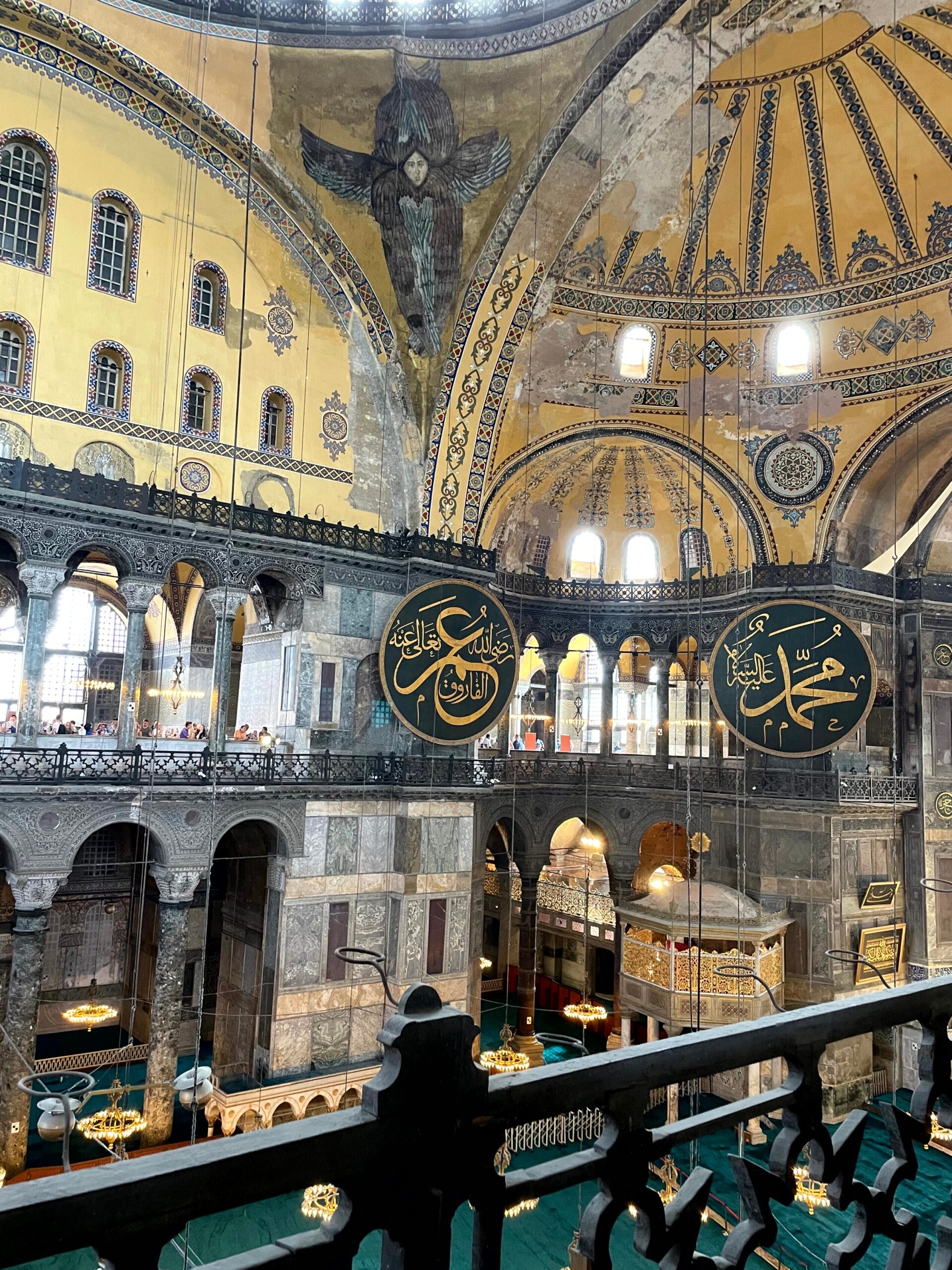
The Hagia Sophia is one of Istanbul’s most iconic landmarks. It’s a beautiful building with a really interesting history.
It was built in the 6th century under Byzantine Emperor Justinian I and was the world’s largest cathedral for nearly 1,000 years.
After the Ottoman conquest in 1453, it was converted into a mosque and remains an active mosque today.
The Hagia Sophia had a significant influence on both Byzantine and Ottoman architecture, making it an important piece of architectural history. It’s also recognised by UNESCO as part of the ‘Historic Areas of Istanbul’.
Tickets are €25 for foreign visitors which gives access to upper gallery, while the ground floor is reserved for worshippers.
Fortunately, this gives you excellent view of the whole mosque including the domed ceiling and calligraphic medallions. You can also see the Byzantine mosaics as you walk through the passages.
💡 Tip: The Hagia Sophia is open daily, but closed to tourists during prayer times, so check the current schedule before visiting.
7. Admire the Blue Mosque
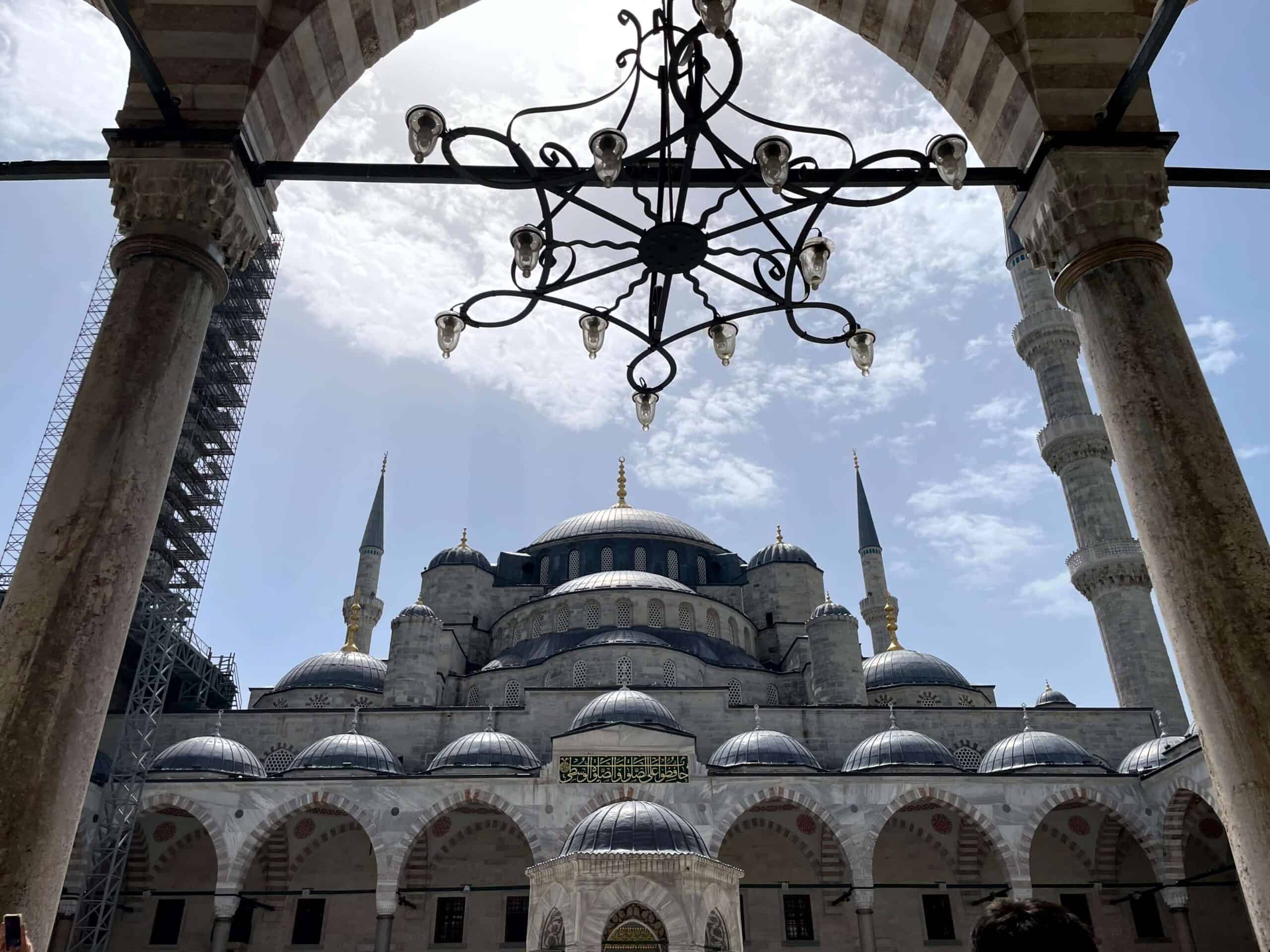
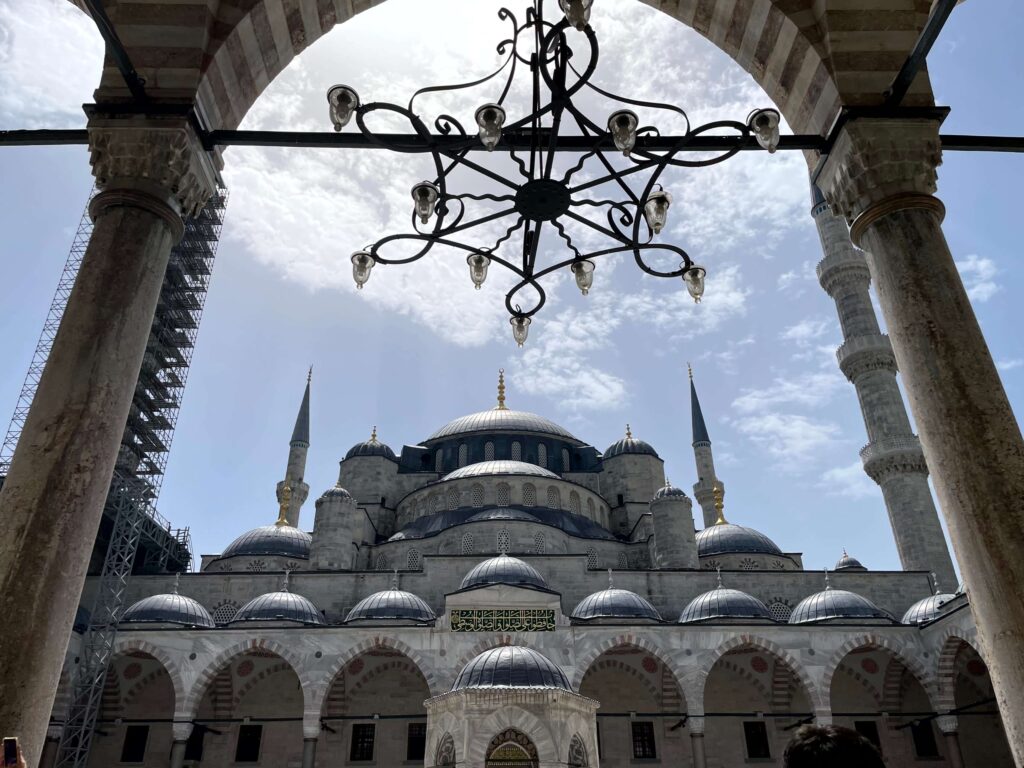
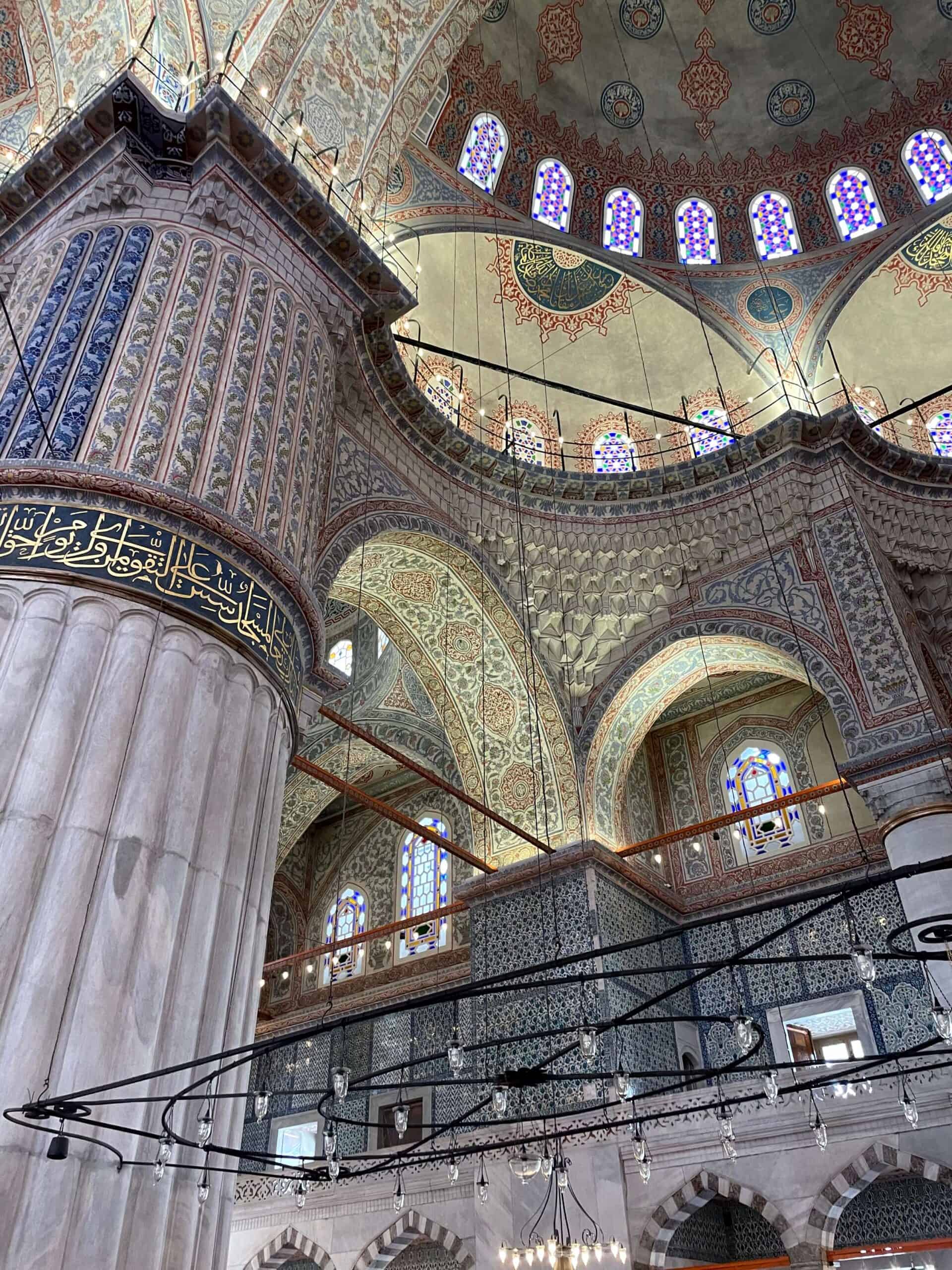
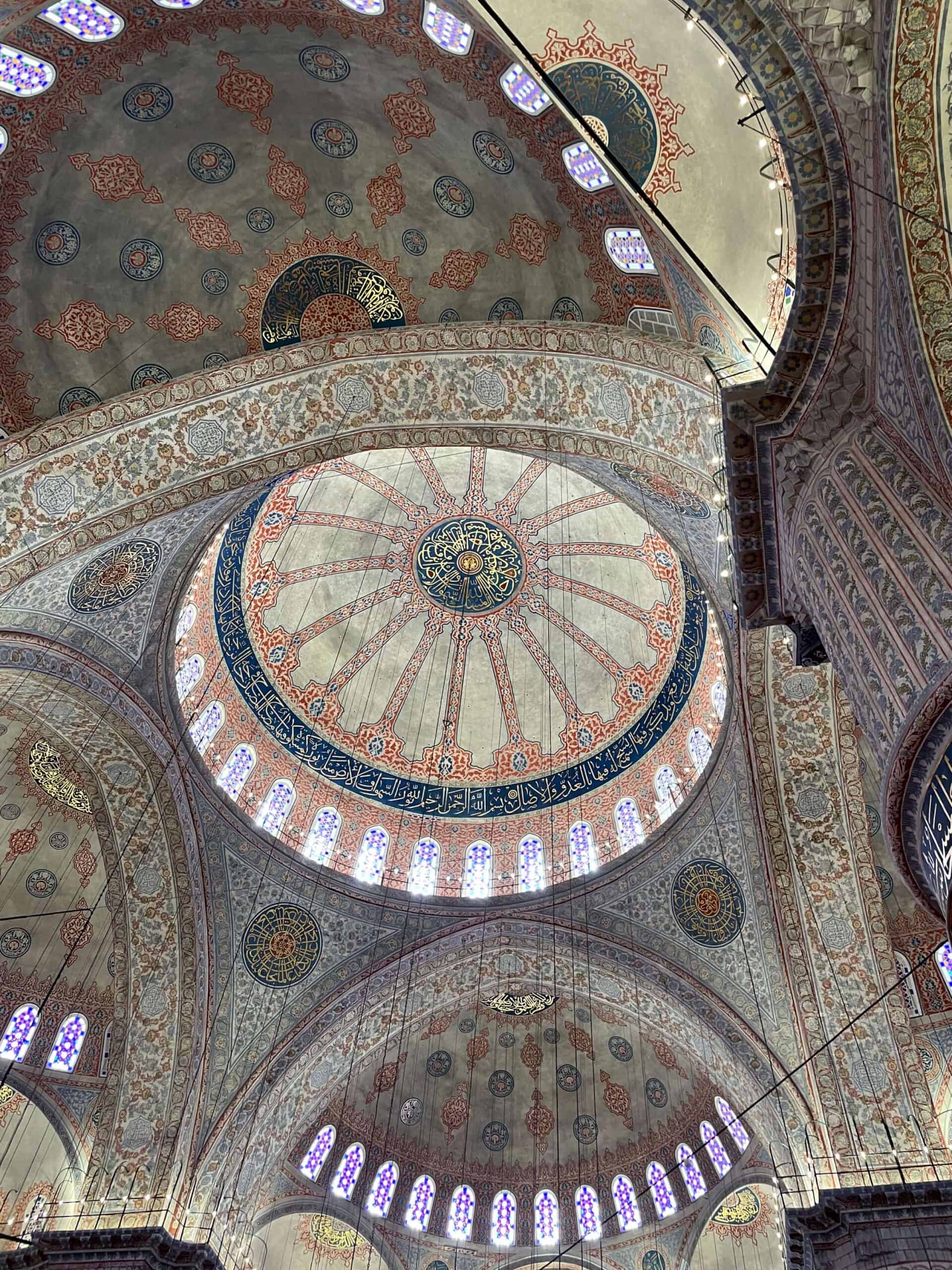
Sultan Ahmed Mosque is unofficially known as the Blue Mosque because of the thousands of blue Iznik tiles that cover the interior walls.
The mosque is very beautiful with hundreds of stained-glass windows and domed ceilings decorated with stunningly detailed painted motifs and Arabic calligraphy.
Despite the name, I didn’t find the Blue Mosque to be strikingly blue, and I actually thought the ceilings were more impressive than the titles.
I also enjoyed walking through the courtyard and seeing the domes and minarets from the outside.
The mosque is part of the UNESCO recognised ‘Historic Areas of Istanbul’ and is located in Sultanahmet Square, directly across from the Hagia Sophia.
It was built in the 17th century under Sultan Ahmed I and it’s said that he intended it to rival the Hagia Sophia.
💡 Tip: The Blue Mosque is open every day and entry is free, but it’s closed to tourists during prayer times so check the current visiting hours before you go.
8. Discover Rüstem Pasha Mosque
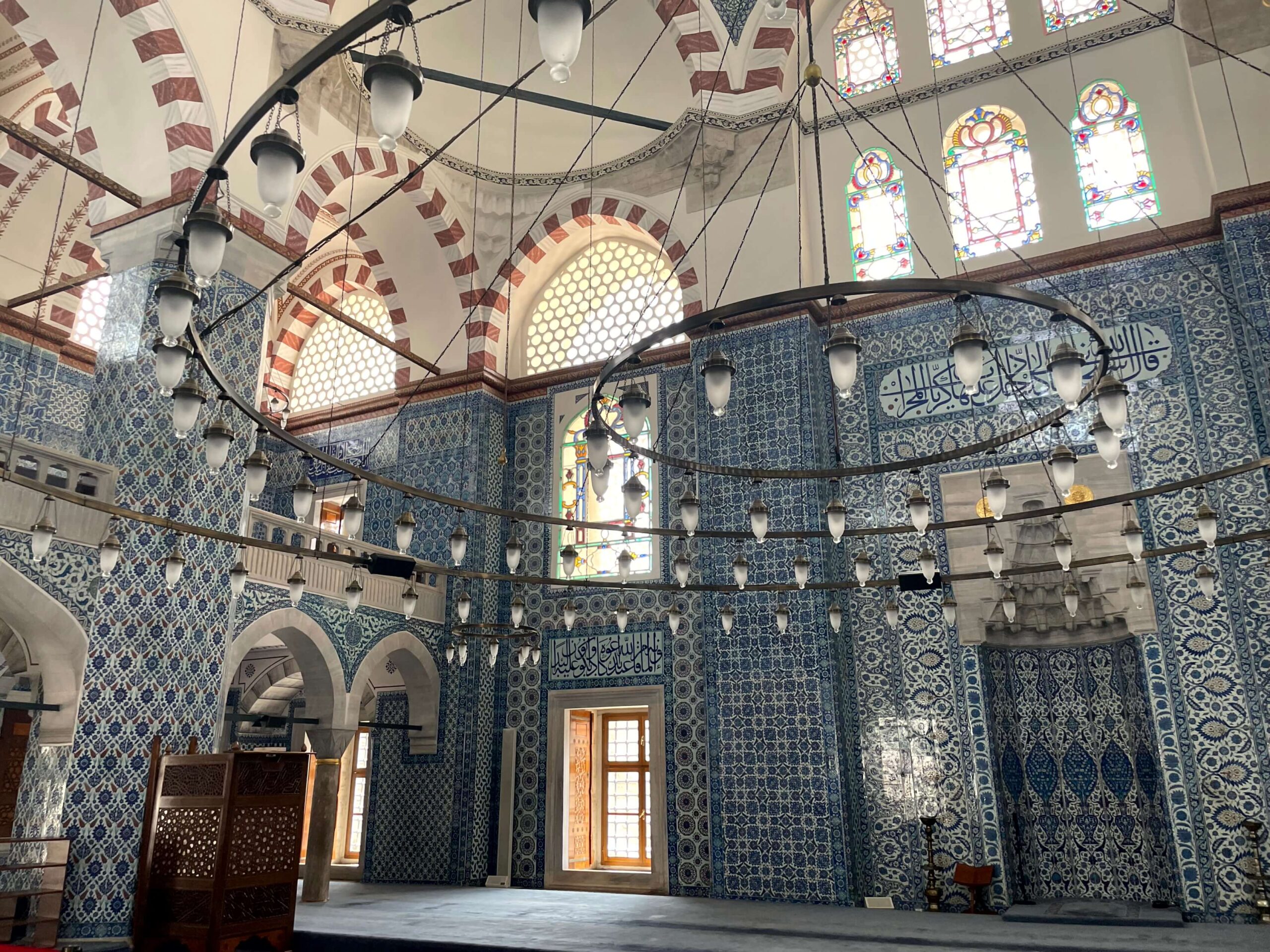
Rüstem Pasha Mosque is one of my favourite mosques in Istanbul.
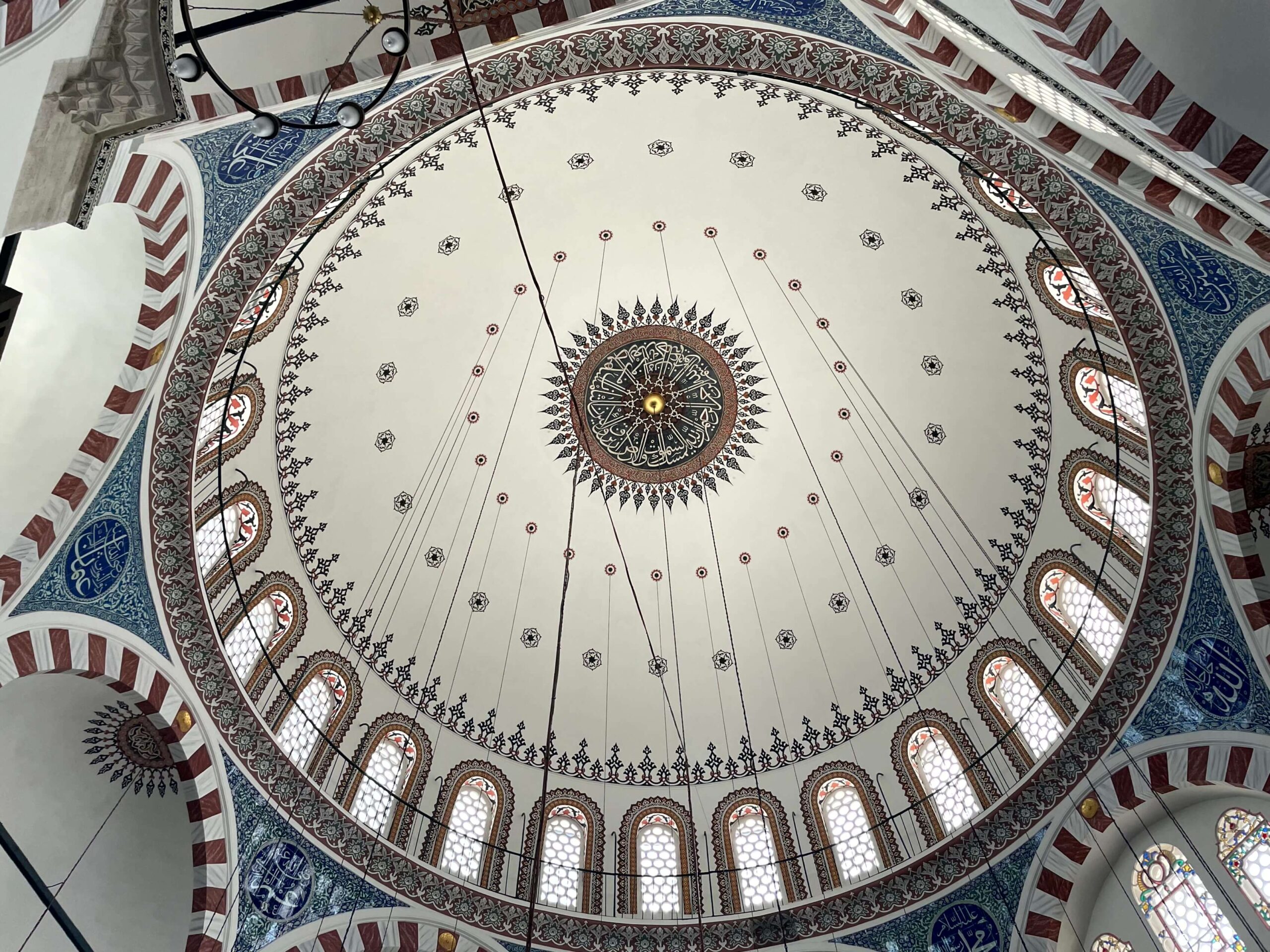
Like the Blue Mosque, it’s decorated with blue Iznik tiles, but I actually thought Rüstem Pasha was more intensely blue because it’s smaller and the tiles cover more of the walls.
It’s also not as well-known as the Blue Mosque so it’s quieter and you can take your time appreciating the details without the crowds.
Rüstem Pasha was built in the 16th-century and designed by Mimar Sinan, the architect who defined the classical Ottoman architectural style.
It’s one of the best places in Istanbul to see Ottoman ceramic art with over 80 different patterns in various shades of blue, turquoise, and red.
The mosque is located in Eminönü near the Spice Bazaar and it’s a bit difficult to find because it sits on a raised platform above a row of shops.
The entrance can be accessed by a small stone staircase hidden between shops on Hasırcılar Street.
💡 Tip: Rüstem Pasha is open to visitors daily outside of prayer times and entry is free.
Bonus: Historical Walking Tour
I discovered Rüstem Pasha Mosque on a historical walking tour of Sultanahmet.
The tour included Hagia Sophia, the Blue Mosque, the Basilica Cistern, and Topkapı Palace but since the palace was closed that day, our guide took us to the Spice Bazaar and Rüstem Pasha instead which I wouldn’t have known about otherwise.
I recommend booking a guided tour for Sultanahmet because I found that learning about the historical and cultural significance of each site made visiting them more interesting.
The one I chose is a private tour which is similar in price to group tours but made the day feel more relaxed and flexible.
🕌 Check Prices and Book Your Historical Walking Tour Here!
9. Go Shopping at the Bazaars
Shopping at a bazaar in Istanbul is a cultural experience and while I’m not really big on shopping, I think it’s worthwhile to visit at least one.
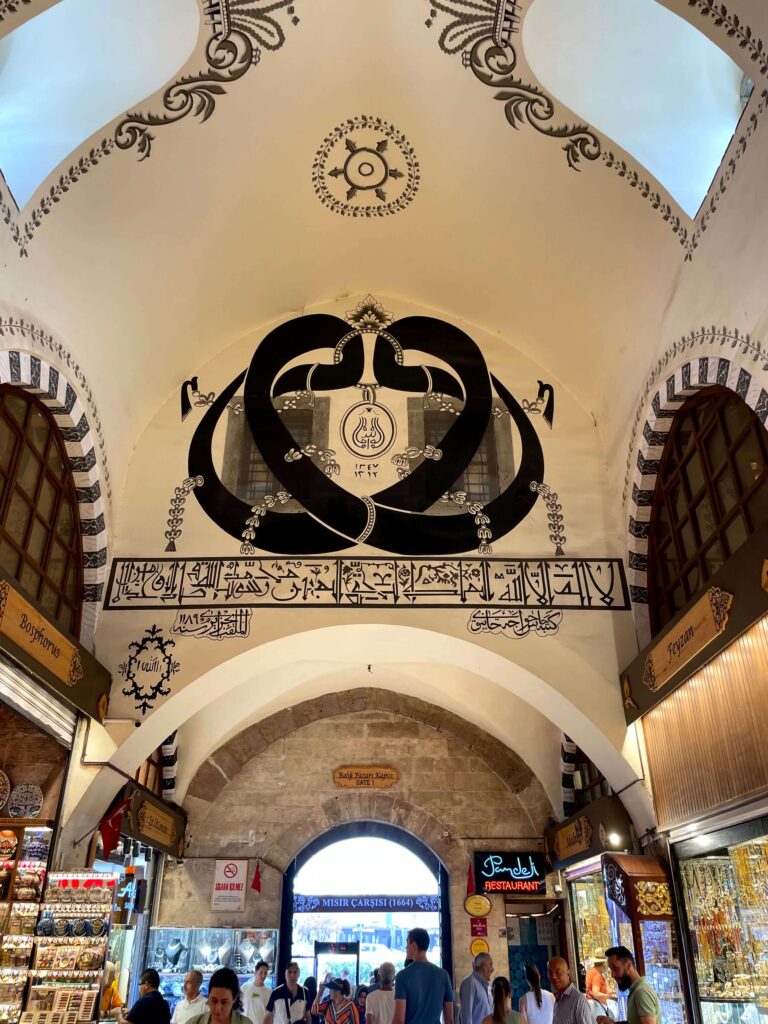
The most famous is the Grand Bazaar which is one of the oldest and largest covered markets in the world.
Dating back to the 15th century, it now has around 4,000 shops selling Turkish handicrafts such as jewellery, carpets, ceramics, and leather goods.
The Grand Bazaar is a good place to buy souvenirs, but I found it very touristy and the vendors were quite pushy. I wish I’d gone to Arasta Bazaar instead which I’ve heard is much more relaxed and has similar items.
The Egyptian Spice Bazaar is the other main market in Istanbul. It’s still pretty chaotic and touristy but I preferred it to the Grand Bazaar.
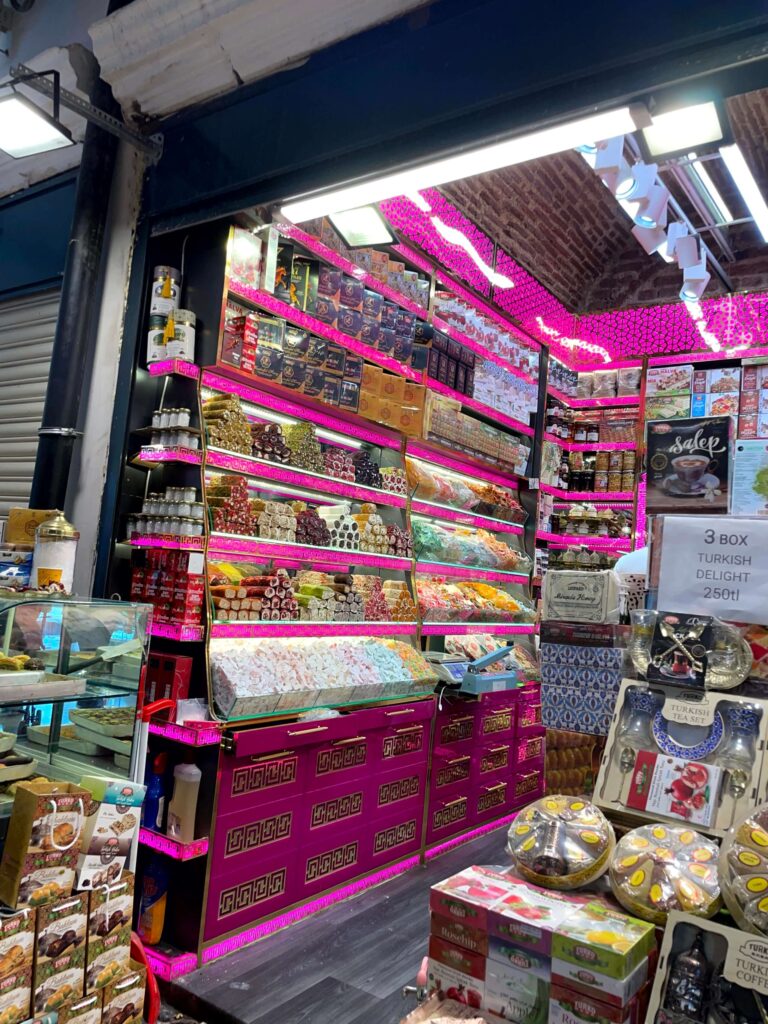
The Spice Bazaar is smaller than the Grand Bazaar with only about 85 shops which mainly sell local food products such as spices, dried fruits, nuts, tea, honey, and Turkish delight.
I got some Turkish Delight when I was there which was delicious.
10. Explore Dolmabahçe Palace
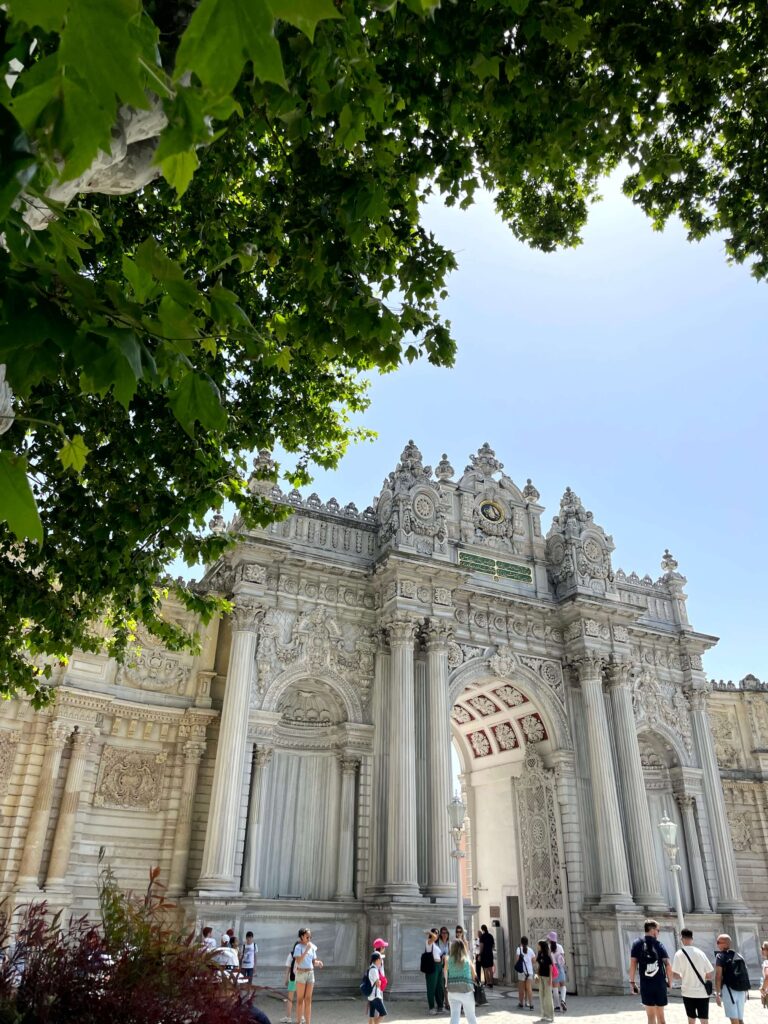
Dolmabahçe Palace is the largest and most opulent palace in Turkey.
It has the world’s largest crystal chandelier and as well as crystal staircase and the rooms decorated in more than 14 tonnes of gold.
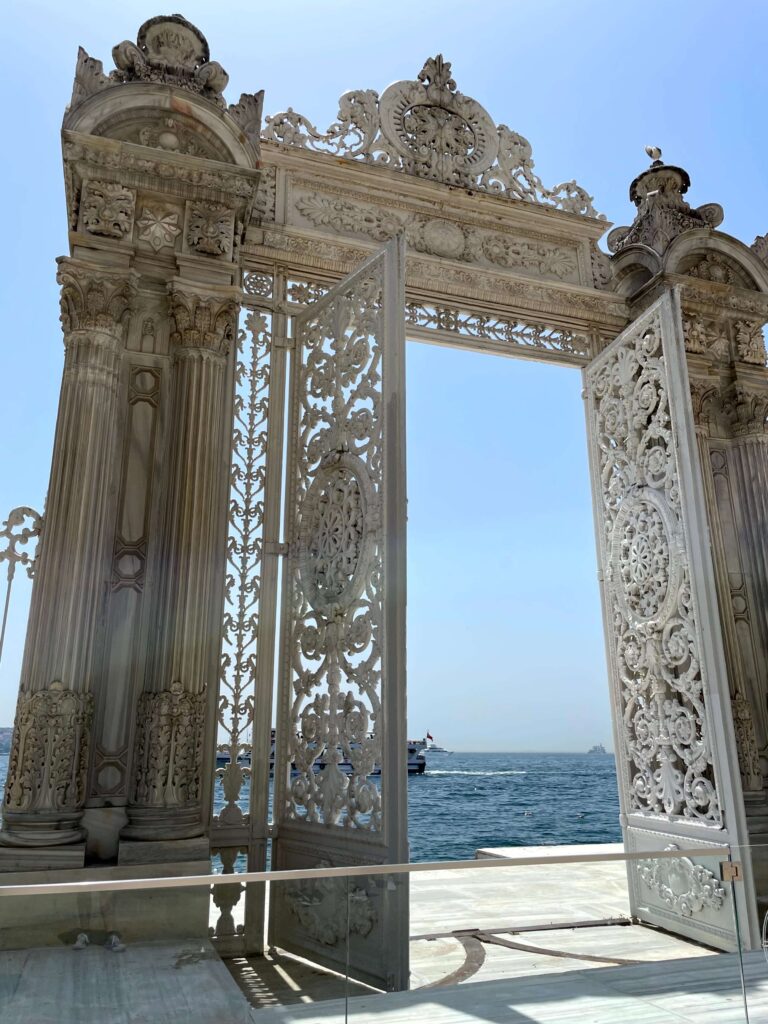
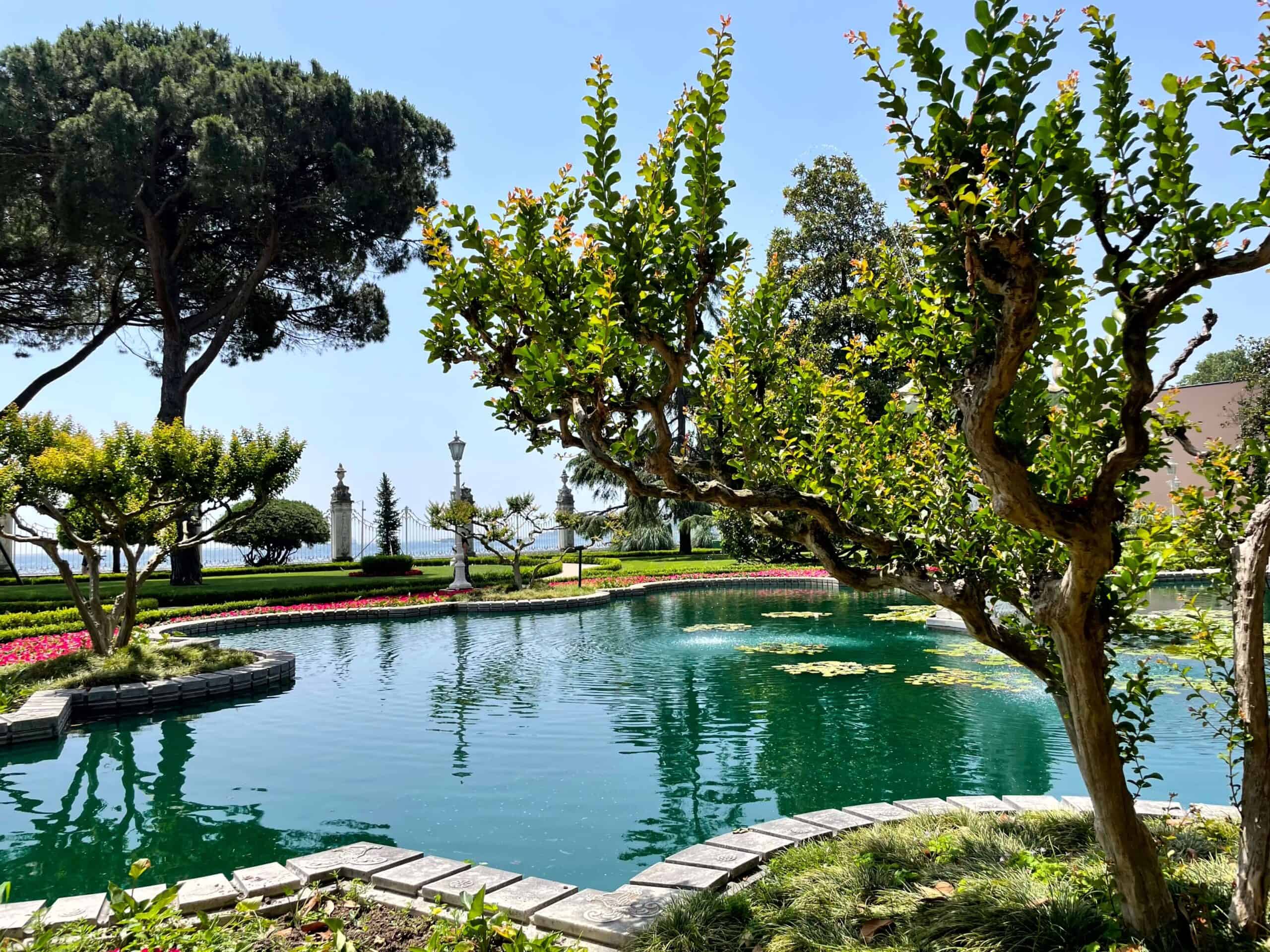
The palace is located on the Bosphorus waterfront in Beşiktaş, and the gardens look out onto the water.
The word ‘Dolmabahçe’ actually means filled-in garden because it was built on a shallow bay that was reclaimed and converted into an imperial garden in the late 17th century.
The palace itself was built in the 19th century. It served as the administrative centre of the late Ottoman Empire and was home to the last six Ottoman sultans.
💡 Tip: Dolmabahçe Palace is closed on Mondays.
Tickets cost about €36 for foreign visitors, and an audio guide is included in the price.
The closest tram stop is Kabataş which is about a 5-minute walk away and the main entrance is through the ornate Imperial Gate on Dolmabahçe Street.
Where to Stay in Istanbul
The best area to stay in Istanbul for first-time visitors is Karaköy which is located just across the Golden Horn from the historical peninsula.
The area is known for its atmosphere with a mix of historical buildings as well as trendy cafés and rooftop bars with water views.
It’s a convenient base for exploring the city with both trams and ferries. You can easily walk to Galata or Eminönü and it’s just a 10-minute tram ride to Sultanahmet where most of the landmarks are located.
$ – Budget Option: Ada Karakoy Hotel
$$ – Mid-Range Option: Khai Hotel Karaköy
$$$ – Luxury Option: The Peninsula Istanbul